
What We’re Reading
At Inclusive Design Group, we always believe in enriching our knowledge with new authors, new perspectives and new ideas. See below for some of what we are reading now.
-
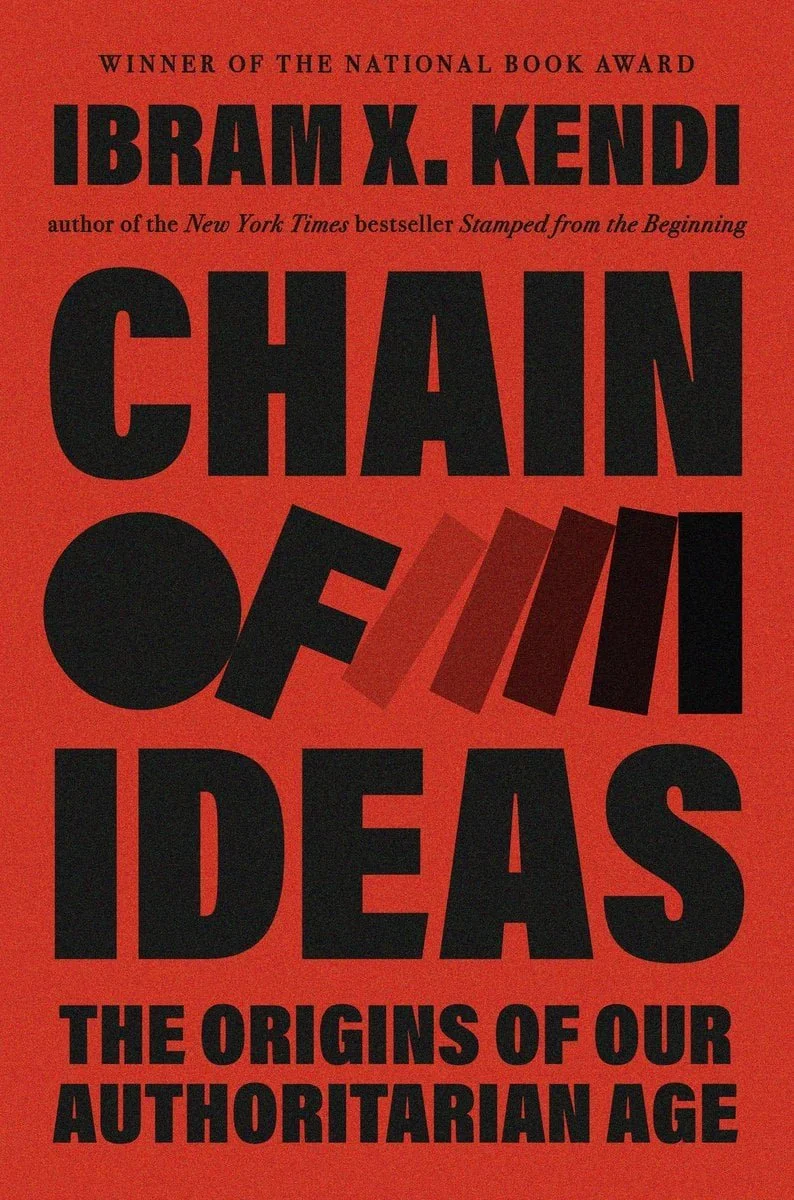
Chain of Ideas
by Ibram X. Kendi
In Chain of Ideas, internationally bestselling author Ibram X. Kendi offers an unsettling but indispensable global history of how great replacement theory brought humanity into this authoritarian age—and how we can free ourselves from it.
-
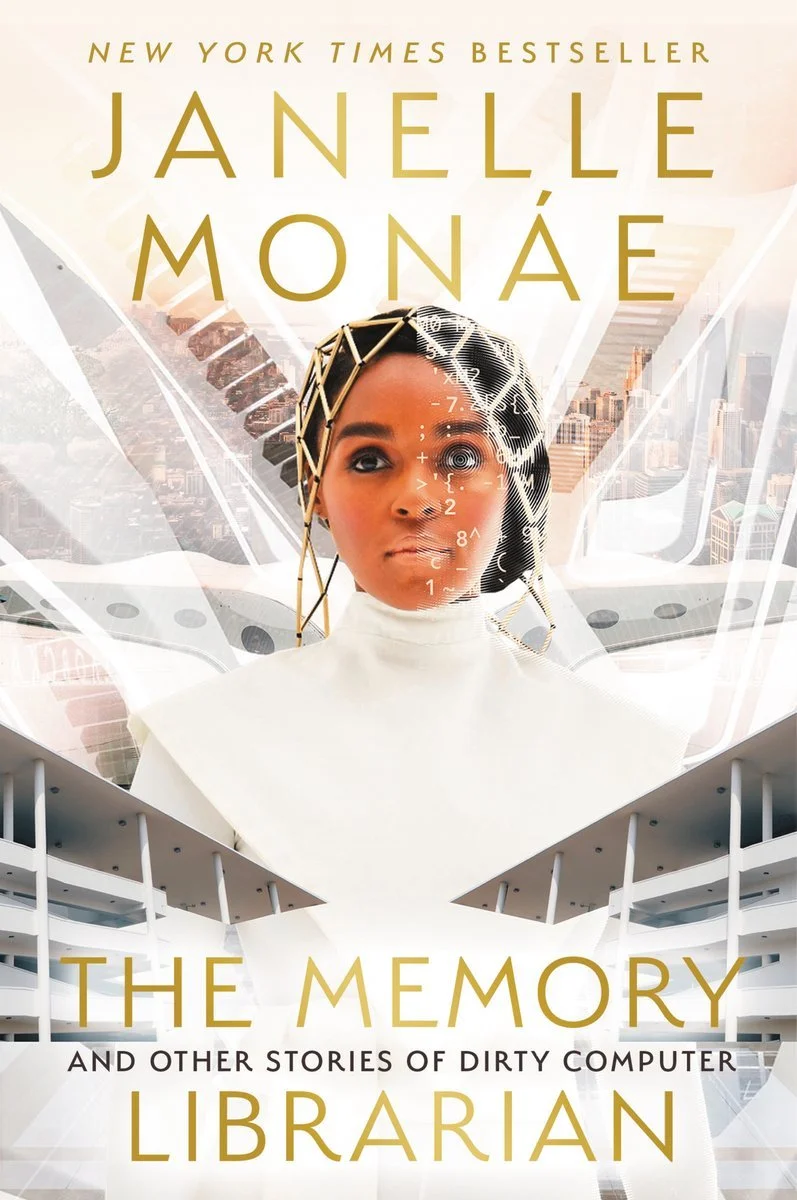
The Memory Librarian
by Janelle Monáe
In The Memory Librarian: And Other Stories of Dirty Computer, singer-songwriter, actor, fashion icon, futurist, and worldwide superstar Janelle Monáe brings to the written page the Afrofuturistic world of one of her critically acclaimed albums, exploring how different threads of liberation—queerness, race, gender plurality, and love—become tangled with future possibilities of memory and time in such a totalitarian landscape…and what the costs might be when trying to unravel and weave them into freedoms.
-
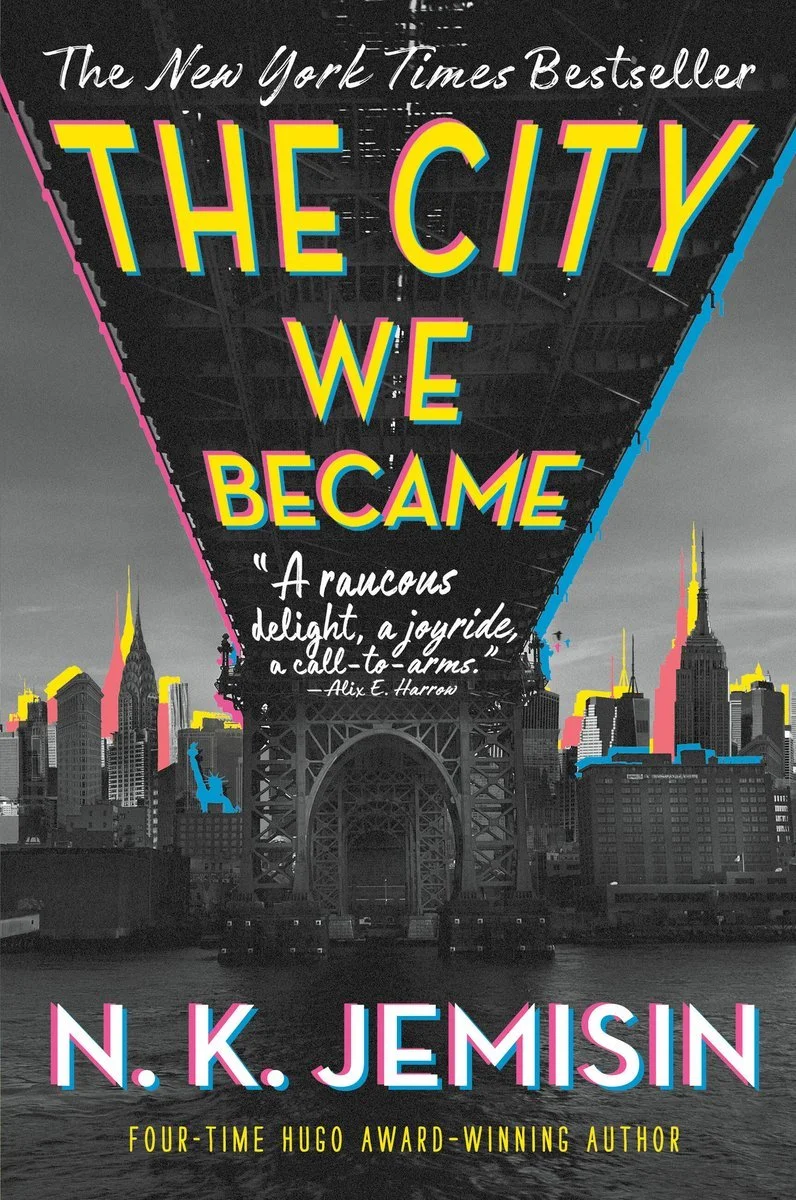
The City We Became
by N.K. Jemison
In Manhattan, a young grad student gets off the train and realizes he doesn't remember who he is, where he's from, or even his own name. But he can sense the beating heart of the city, see its history, and feel its power. In the Bronx, a Lenape gallery director discovers strange graffiti scattered throughout the city, so beautiful and powerful it's as if the paint is literally calling to her. In Brooklyn, a politician and mother finds she can hear the songs of her city, pulsing to the beat of her Louboutin heels. And they're not the only ones. Every great city has a soul. Some are ancient as myths, and others are as new and destructive as children. New York? She's got six.
-
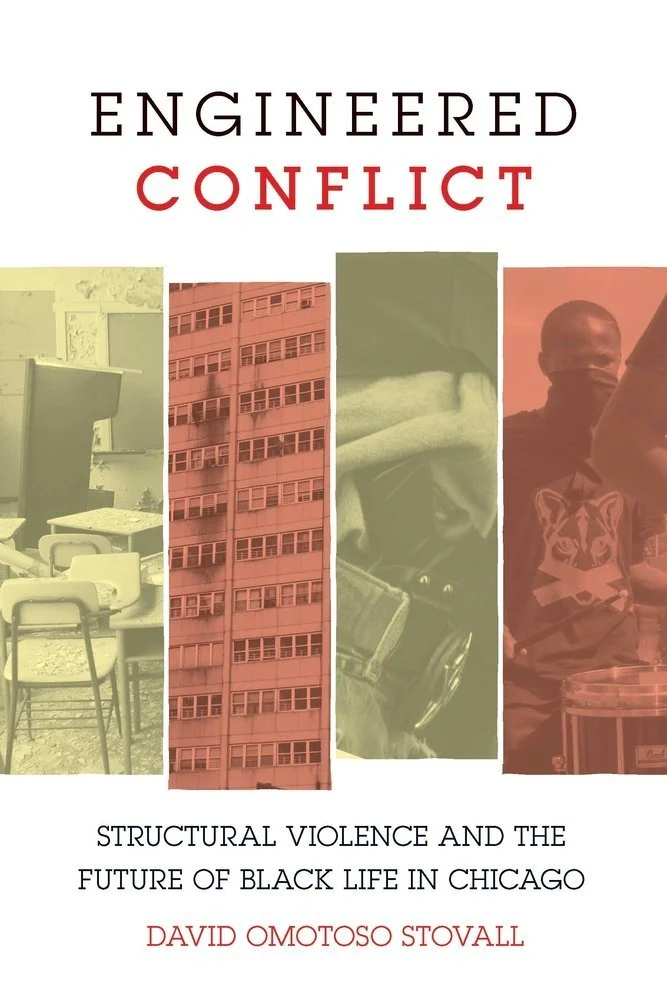
Engineered Conflict
by David Stovall
With a novel approach to the question of how state-sanctioned violence and abandonment impacts low-income communities, Engineered Conflict uses examples from Chicago's recent history to shed light on the politics of disposability through housing instability, criminalization, and school closures. Looking at all three phenomena together allows readers to see how state policies designate some neighborhoods as unviable, where disinvestment furthers a rationale to contain members of these communities.
-
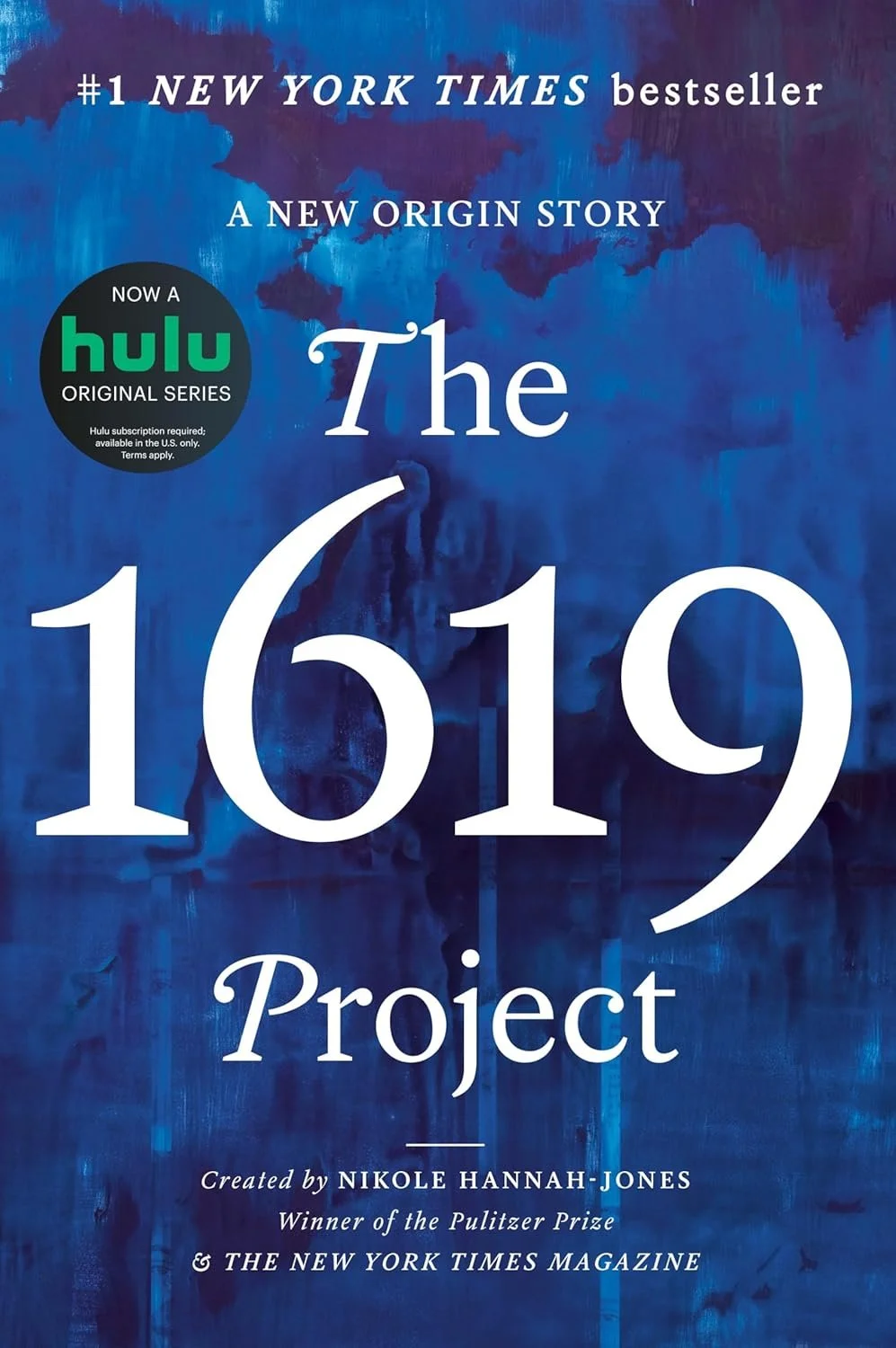
The 1619 Project
Created by Nikole Hannah-Jones
In late August 1619, a ship arrived in the British colony of Virginia bearing a cargo of twenty to thirty people stolen from Africa. Their arrival led to the barbaric and unprecedented system of American chattel slavery that would last for the next 250 years. This is sometimes referred to as the country’s original sin, but it is more than that: It is the source of so much that still defines the United States.
-
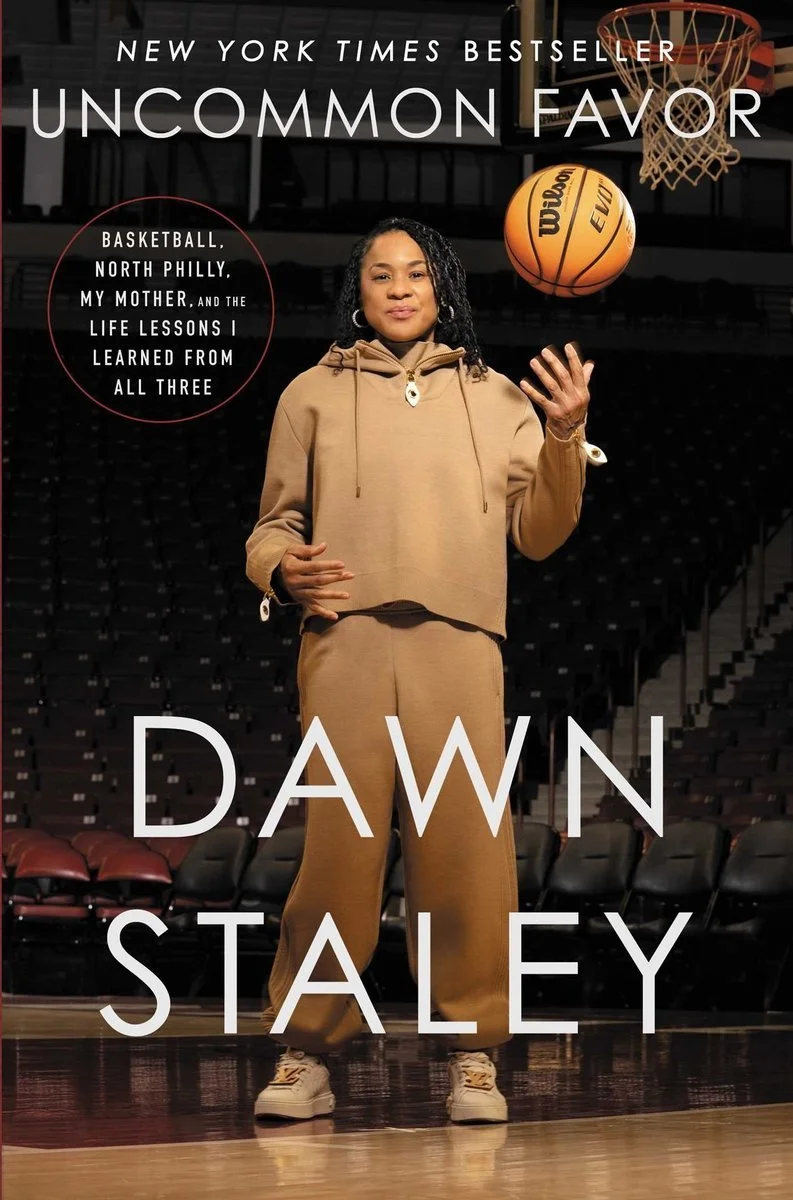
Uncommon Favor
by Dawn Staley
Uncommon Favor reveals the journey that led to Staley’s success, including the challenges she faced. From dealing with sexism on the court to feeling isolated in new environments, Staley honed her skills and learned valuable life lessons about mental fortitude and maturity that have grounded her throughout her career.
-

Dear Black Girls
by A'ja Wilson
Despite gold medals, WNBA championships, and a list of accolades, A’ja Wilson knows how it feels to be swept under the rug—to not be heard, to not feel seen, to not be taken seriously. Dear Black Girls is a necessary and meaningful exploration of what it means to be a Black woman in America today—and a rallying cry to lift up women and girls everywhere.
-
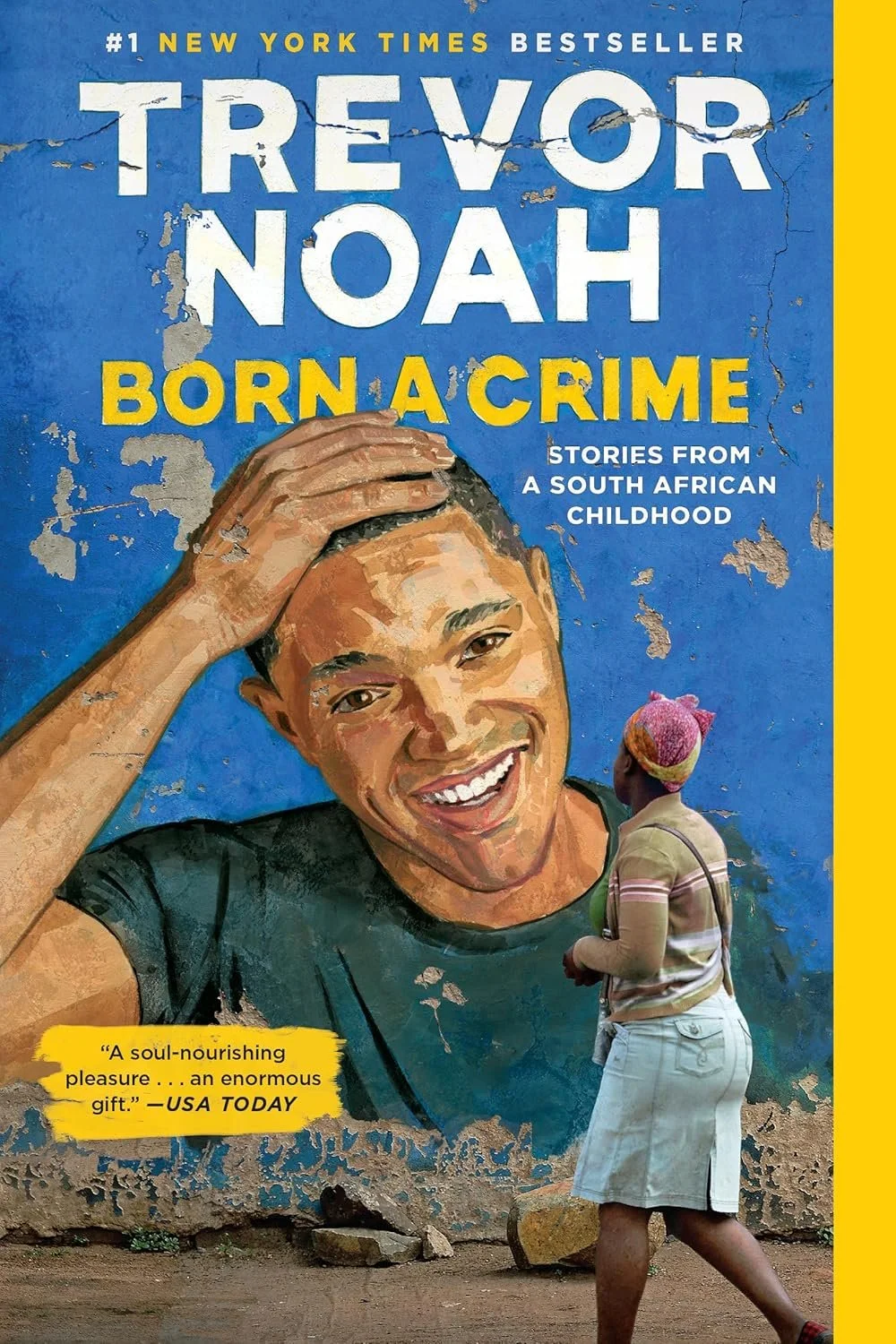
Born a Crime
by Trevor Noah
Trevor Noah’s unlikely path from apartheid South Africa to the desk of The Daily Show began with a criminal act: his birth. Trevor was born to a white Swiss father and a black Xhosa mother at a time when such a union was punishable by five years in prison. Finally liberated by the end of South Africa’s tyrannical white rule, Trevor and his mother set forth on a grand adventure, living openly and freely and embracing the opportunities won by a centuries-long struggle.
-
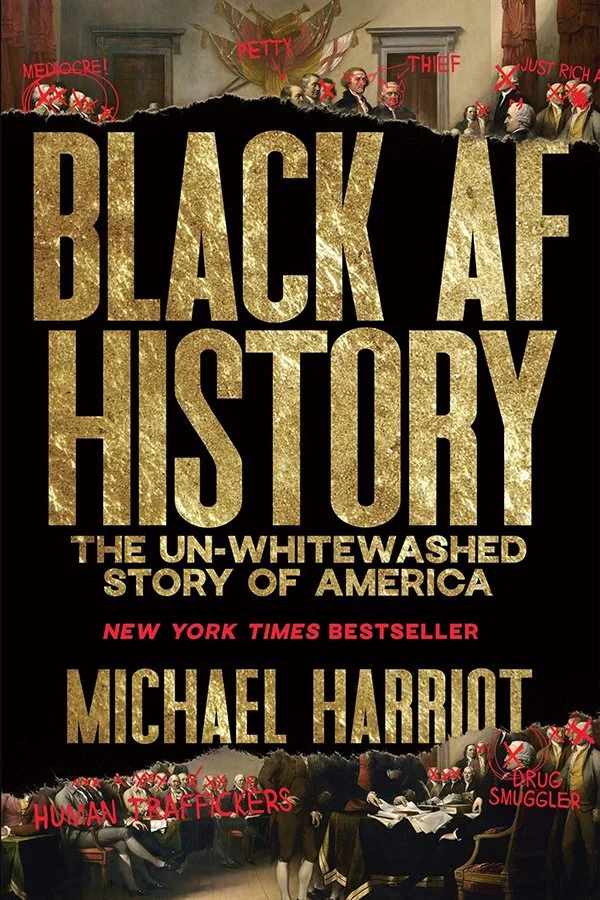
Black AF History
by Michael Harriot
America’s backstory is a whitewashed mythology implanted in our collective memory. Combining unapologetically provocative storytelling with meticulous research based on primary sources as well as the work of pioneering Black historians, scholars, and journalists, Harriot removes the white sugarcoating from the American story, placing Black people squarely at the center.
-
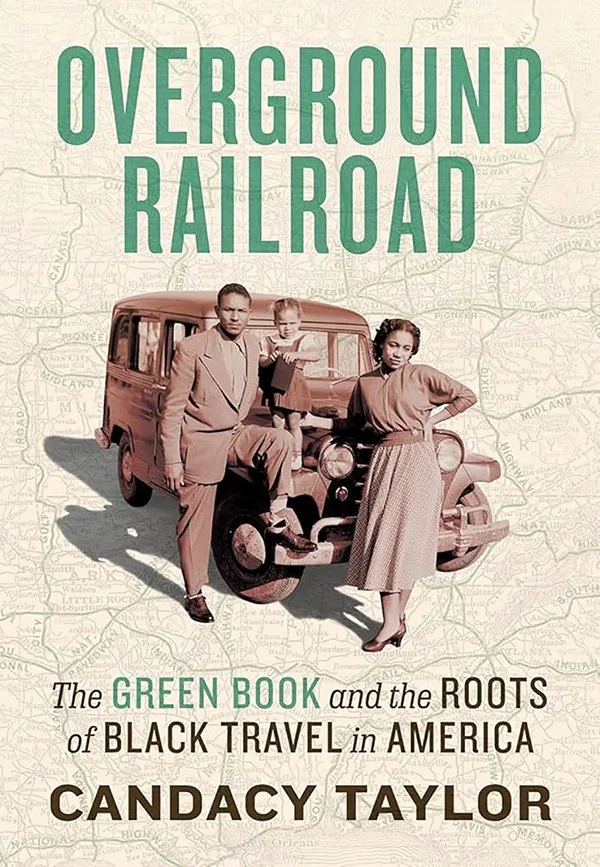
Overground Railroad
by Candacy Taylor
It took courage to be listed in the Green Book, and Overground Railroad celebrates the stories of those who put their names in the book and stood up against segregation. It shows the history of the Green Book, how we arrived at our present historical moment, and how far we still have to go when it comes to race relations and systemic racism in America.
-
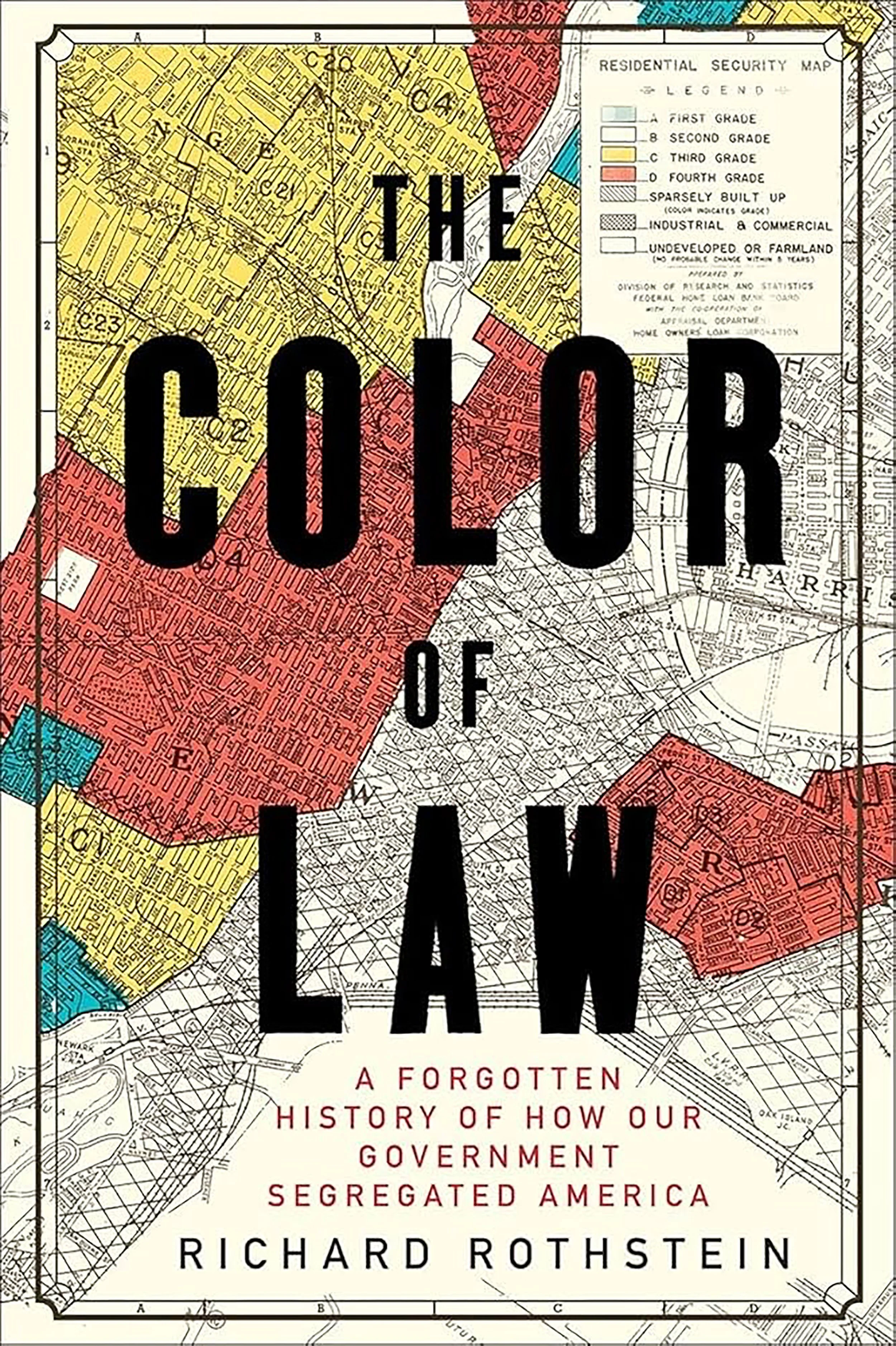
The Color of Law
by Richard Rothstein
Widely heralded as a “masterful” (Washington Post) and “essential” (Slate) history of the modern American metropolis, Richard Rothstein’s The Color of Law offers “the most forceful argument ever published on how federal, state, and local governments gave rise to and reinforced neighborhood segregation” (William Julius Wilson). Exploding the myth of de facto segregation arising from private prejudice or the unintended consequences of economic forces, Rothstein describes how the American government systematically imposed residential segregation: with undisguised racial zoning; public housing that purposefully segregated previously mixed communities; subsidies for builders to create whites-only suburbs; tax exemptions for institutions that enforced segregation; and support for violent resistance to African Americans in white neighborhoods.
-
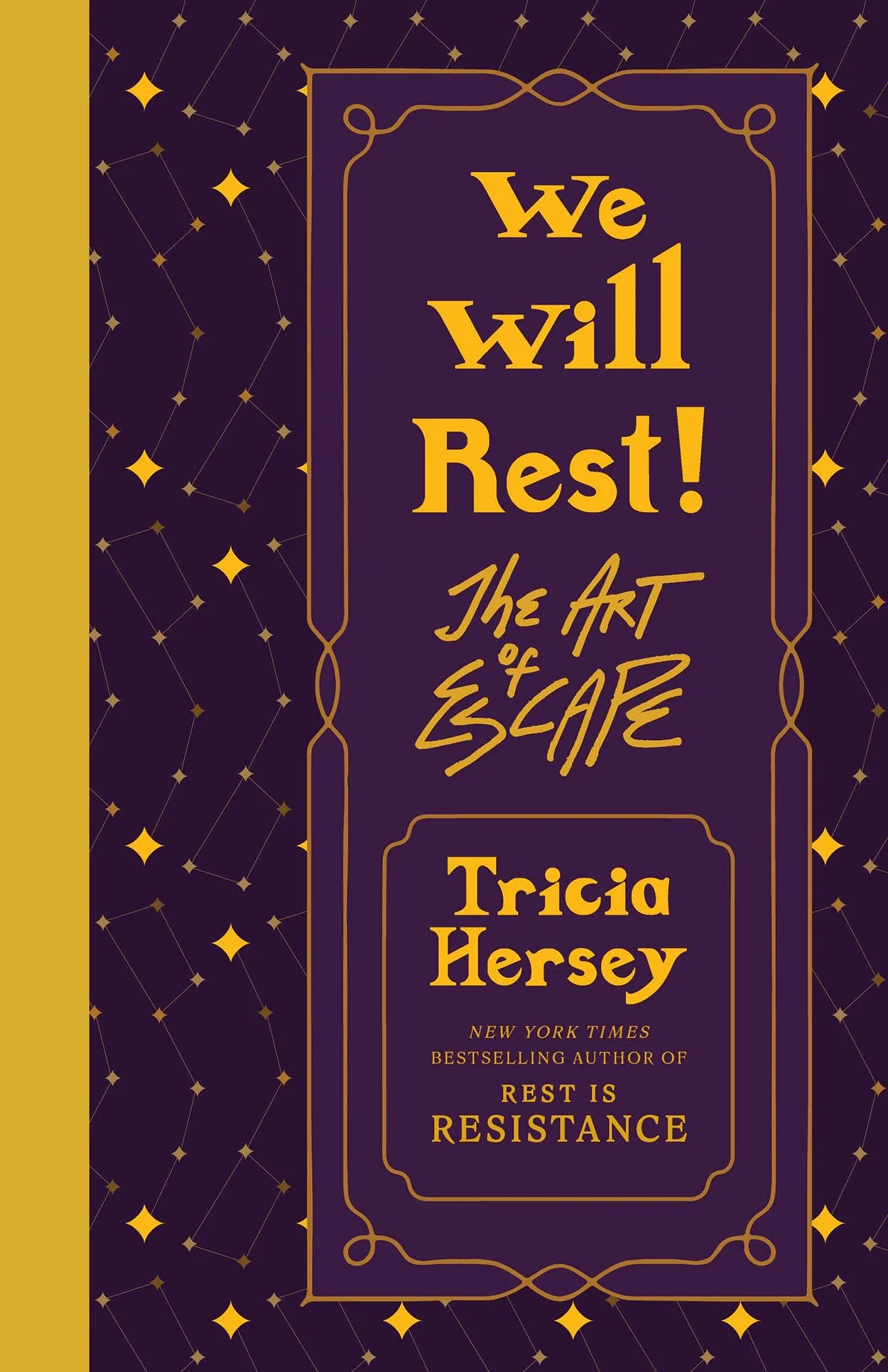
We Will Rest!
by Tricia Hersey
We don’t believe we are worthy of rest unless we burn ourselves out to accomplish it. Our thinking has been limited by disconnection, sleep deprivation, and the unattainable call for perfection. The systems will never give us rest. It is something we must create for ourselves and each other. Just as the North Star guided the enslaved on their journeys to freedom, visionary artist and founder of The Nap Ministry Tricia Hersey leads us to imagine a new world: one in which we subvert the narrative of productivity at all costs and embrace rest as a healing spiritual practice.
We Will Rest! is a modern sacred object, medicine for a sick and exhausted world. Weaving together meditations and poetry with storytelling and art, Hersey provokes liberation through refusal & trickster rebellion in the face of capitalism & white supremacy. -
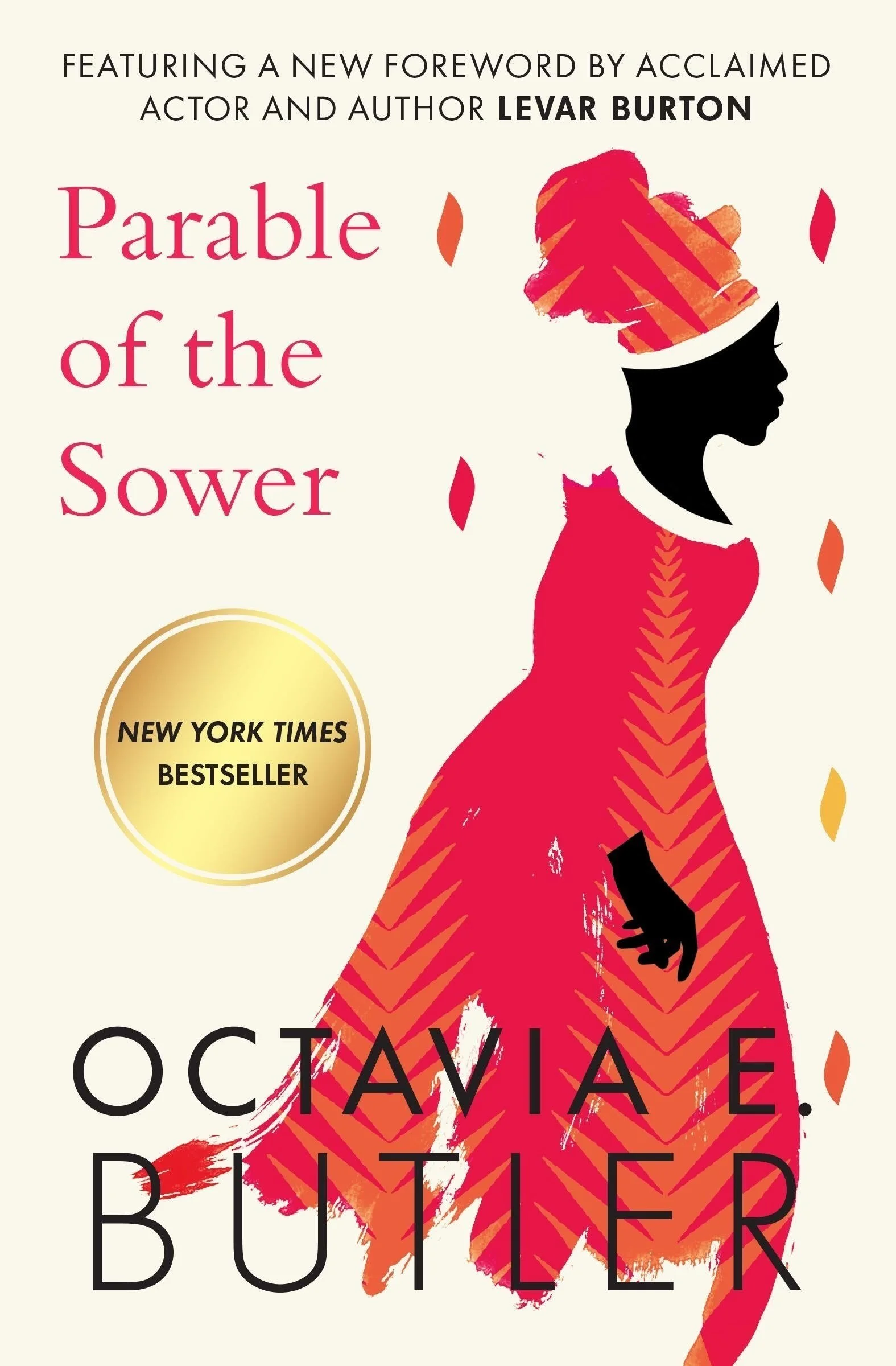
Parable of the Sower
by Octavia Butler
When global climate change and economic crises lead to social chaos in the early 2020s, California becomes full of dangers, from pervasive water shortage to masses of vagabonds who will do anything to live to see another day. Fifteen-year-old Lauren Olamina lives inside a gated community with her preacher father, family, and neighbors, sheltered from the surrounding anarchy. In a society where any vulnerability is a risk, she suffers from hyperempathy, a debilitating sensitivity to others' emotions.
Precocious and clear-eyed, Lauren must make her voice heard in order to protect her loved ones from the imminent disasters her small community stubbornly ignores. But what begins as a fight for survival soon leads to something much more: the birth of a new faith . . . and a startling vision of human destiny.
Building Pathways That Last
We work across education systems, government agencies, nonprofits, and philanthropy to turn ideas into programs that operate in real communities. Our work is grounded in data, shaped by community voice, and built to last.