
Landscape & Data Analysis
Landscape & Data Analysis helps organizations, communities, and collaboratives make informed decisions by grounding strategy and program design in evidence. We combine quantitative analysis with qualitative research and community voice to build a clear picture of needs, gaps, and opportunities.
Our work goes beyond
data collection & reporting.
We translate complex information into clear, actionable insights that reflect both quantitative trends and lived experience. By integrating data analysis with stakeholder input and community voice, we surface not only what is happening, but why it matters and where opportunities exist. This approach ensures that strategies are rooted in reality, responsive to community needs, and positioned to drive meaningful, measurable impact.


Common Reasons Organizations Engage Us
Organizations engage us to better understand workforce demand, job quality, and where opportunity exists. Many are working to identify equity gaps or uncover barriers facing learners and communities. Others need to bring together multiple data sources into a single, usable narrative that can inform planning and decision making.
Our Approach
We clarify the decisions that need to be made, analyze quantitative data, gather qualitative insight, and synthesize findings into clear direction. We then work with stakeholders to translate those insights into action.
Deliverables
Landscape reports
Dashboards and data summaries
Community insight synthesis
Strategic recommendations

Landscape & Data Analysis
CASE STUDY
On behalf of the Community College of Aurora, we conducted a landscape analysis for renewable energy and early childhood programs to help the college decide how to move forward. For these projects we analyzed labor market information, interviewed employers, surveyed current students and high schools students and used this information to develop a report of the industries and recommendations towards programming.
Explore Our Service Ecosystem
-
Career Pathways + Program Design
We design equitable, high quality career pathways aligned to real workforce demand, including Career and Technical Education (CTE), Postsecondary Workforce Readiness (PWR), and Work-Based Learning (WBL) or Work-Integrated Learning (WIL) models.
-
Facilitation, Convening, + Field Building
We bring educators, policymakers, employers, and community leaders together to move from discussion to shared action, aligning priorities, building consensus, and creating coordinated strategies that drive meaningful impact across education and workforce ecosystems.
-
Landscape + Data Analysis
We translate quantitative and qualitative insight into clear direction and measurable outcomes, helping organizations make informed decisions and implement strategies that are grounded in data while remaining responsive to real-world needs and evolving conditions.
-
Sustainable Funding + Implementation Planning
We help organizations navigate public funding systems and build models that support long term sustainability, aligning resources with strategic priorities, identifying funding opportunities, and creating scalable approaches that ensure lasting impact beyond initial investment.
-
Strategic Planning + Processes
We guide organizations through planning processes that bring together data, stakeholder voice, and practical constraints, resulting in plans that are clear, aligned, and ready to use, with defined priorities, actionable next steps, and the structure needed to move from strategy to implementation with confidence.
Trusted by Organizations Across Colorado & Beyond
Inclusive Design Group has partnered with organizations including:






Your Questions, Answered
-
A landscape analysis is a structured look at what's happening in a given field, issue area, or geography — who the key players are, what approaches are being tried, where the gaps are, and what the evidence shows. It's particularly valuable when you're entering a new space, considering a strategic shift, or trying to make the case for investment in a particular area. Research and data from a landscape analysis is often used to inform other service areas, like career pathway and program development.
-
We work with a broad range of data types — program and administrative records, publicly available datasets, survey results, interview and focus group findings, and published research. We're skilled at bringing quantitative and qualitative information together into a coherent, usable picture.
We also maintain our own subscription licenses to the same powerful labor market intelligence and analysis platforms used by state agencies, giving our clients access to real-time insight, local granularity, regional trends, and historical context — the tools needed to make confident, data-informed decisions.
But data is only as good as what it captures. We design data collection and capture processes with equity at the center — prioritizing methods that meet people where they are, reduce barriers to participation, and ensure that the communities most affected by a program or policy are meaningfully represented in the data. Good data practice isn't just technical; it's relational.
-
Yes, we can help you organize, analyze, visualize, and interpret what you already have, and identify what additional information might be worth gathering.
-
We work hard to make analysis accessible and actionable. Deliverables are tailored to your audience and purpose — that might mean an executive summary, a visual data brief, a set of slides for a board presentation, or a detailed report. We focus on clarity so that findings can drive decisions.
-
Equity in data isn't just a methodology — it's a mindset. We're attentive to whose data is being collected, whose perspectives are represented, how findings might be interpreted or used, and who ultimately owns the data and its story.
We disaggregate data to surface disparities that averages obscure, and we're transparent about limitations — including what the data doesn't or can't capture. But numbers alone rarely tell the whole story. Quantitative data shows us what is happening; qualitative data — interviews, focus groups, lived experience — tells us why, and often reveals strengths, assets, and context that charts and tables miss. We treat both as essential, and the combination as more powerful than either alone.
Throughout our analysis, we maintain an asset-based lens. Rather than leading with deficits, we ask what communities, participants, and programs are already doing well — and how systems and structures can be redesigned to better support people's success. The goal is never just to document gaps, but to generate insight that points toward change.

Building Pathways That Last
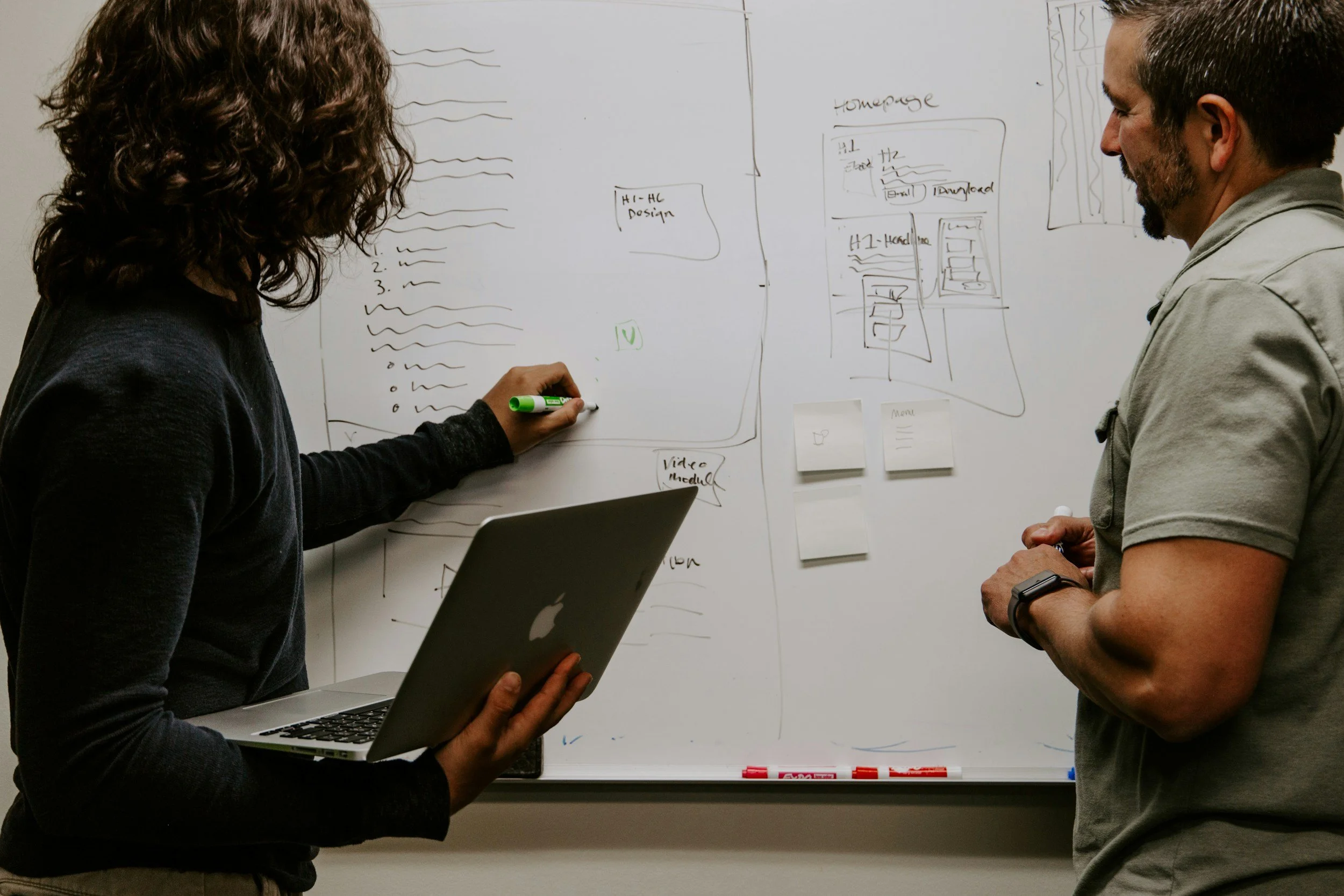
We work across education systems, government agencies, nonprofits, and philanthropy to turn ideas into programs that operate in real communities. Our work is grounded in data, shaped by community voice, and built to last.